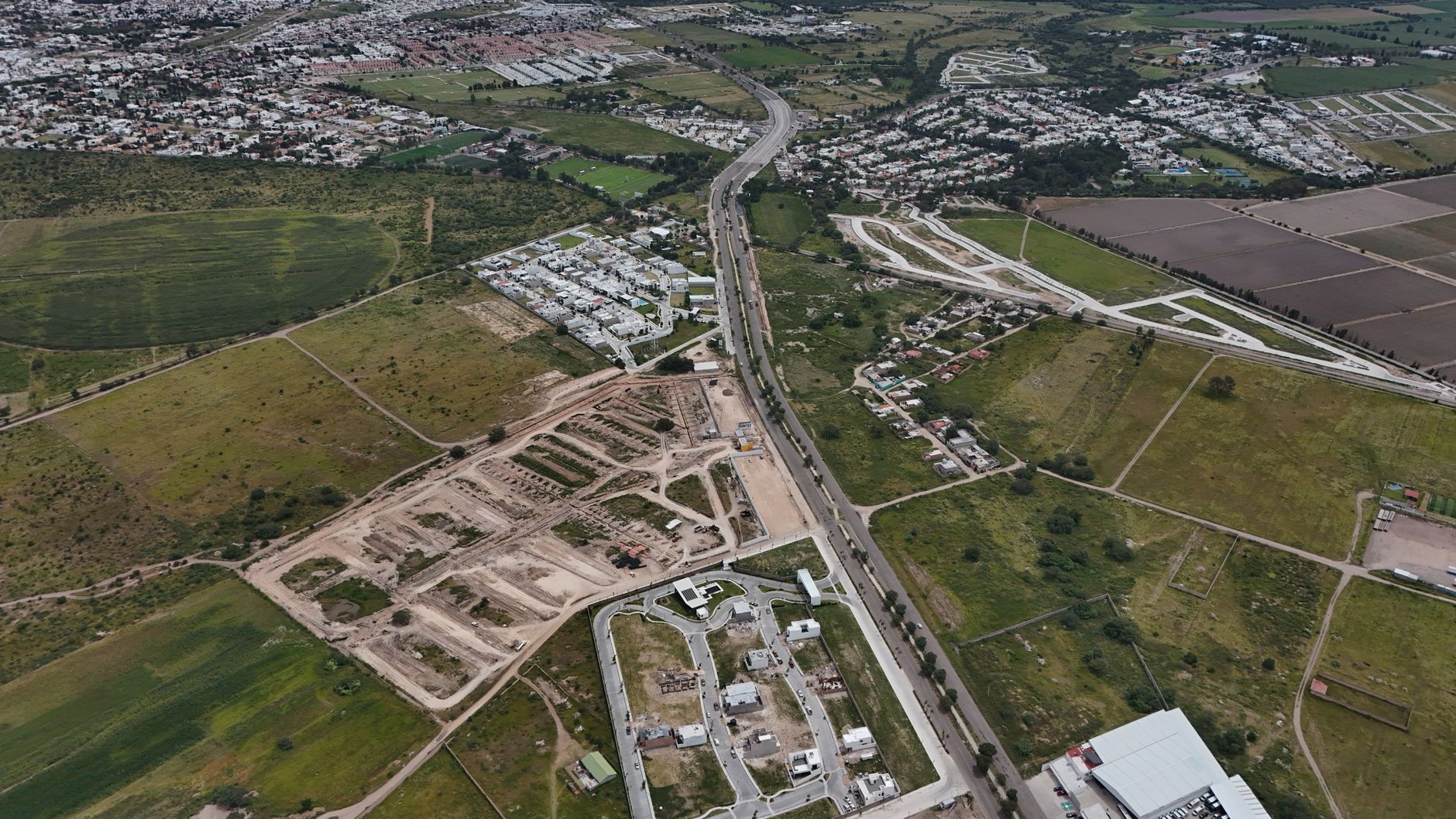
N.A. conversion of agricultural land in Gujarat is the legal process of changing land from agricultural to Non-Agricultural use so it can lawfully be built on or used for residential, commercial or industrial purposes. It usually requires an application and permission from the district Collector. Land inside an approved town-planning (TP) scheme, as in Dholera SIR, is treated as N.A. by Gujarat rule, but you must still confirm the order and its effective date. Building on unconverted agricultural land is illegal.
N.A. conversion of agricultural land in Gujarat is the process of legally reclassifying land from agricultural use to Non-Agricultural (N.A.) use, so it can be used for housing, commerce or industry. Agricultural land cannot lawfully be built on until it is converted, and construction on unconverted agricultural land is illegal. In most cases conversion requires an application to, and permission from, the district Collector. In Dholera SIR, land inside an approved town-planning (TP) scheme is treated as N.A. by Gujarat rule, which simplifies matters, but a buyer must still confirm the specific order and its effective date before paying or building.
This is one of the most misunderstood points in Dholera buying. Plenty of parcels are marketed as smart-city plots while still recorded as agricultural. Understanding N.A. status is how you tell a legally buildable plot from a field with a story.
What does N.A. status actually mean?
N.A. status means the land is officially recognised for Non-Agricultural use, such as residential, commercial or industrial, rather than farming. Land in India is classified by use, and agricultural land carries restrictions: it is meant for cultivation, and using it otherwise without conversion breaches the law. When land is converted to N.A., the revenue record reflects the new use and lawful construction becomes possible, subject to the applicable building and zoning rules. For a buyer, N.A. status is the difference between a plot you can legally develop and one you cannot.
Why is agricultural land inside a TP scheme treated as N.A.?
Because a sanctioned town-planning scheme reorganises land for urban development, land that falls inside an approved TP scheme is treated as N.A. by Gujarat rule, since the very purpose of the scheme is Non-Agricultural, planned use. Dholera SIR has six TP schemes (TP1 to TP6), all six draft schemes sanctioned per DICDL, and the Activation Area sits inside TP2. So a Final Plot inside a sanctioned Dholera TP scheme generally carries N.A. treatment. The caveat, which matters, is that you must still verify the order and its effective date for your specific parcel rather than assume it. Confirm this alongside your title verification.
Agricultural land marketed as being in the SIR without any N.A. status is the classic Dholera trap. Do not pay for a plot you cannot legally build on. Confirm the N.A. order, or the sanctioned TP-scheme status that confers N.A. treatment, and its effective date, in writing.
What is the Collector-permission process?
Outside a TP scheme, converting agricultural land to N.A. generally follows a Collector-driven process. In broad terms, an owner applies to the district Collector for N.A. permission for a stated purpose, the application is examined against zoning, land use and any restrictions, applicable conversion charges and premiums are paid, and the Collector issues an N.A. order. The revenue record is then updated. Exact steps, documents and charges vary and change over time, so confirm the current procedure with the Collector office or a local revenue lawyer.
| Step | What happens |
|---|---|
| 1. Application | Owner applies to the district Collector for N.A. permission, stating the intended use |
| 2. Scrutiny | Zoning, land use and restrictions examined; objections checked |
| 3. Charges | Applicable conversion charges and premiums paid |
| 4. Order | Collector issues the N.A. order for the stated purpose |
| 5. Record update | Revenue record reflects Non-Agricultural status |
Inside a sanctioned Dholera TP scheme, the practical position is different because the scheme itself confers N.A. treatment; there you verify the scheme sanction and the parcel status rather than run a fresh Collector conversion.
Why is building on unconverted agricultural land illegal?
Because land use is legally defined, using agricultural land for construction without conversion violates the land-use classification and can expose the owner to penalties, demolition risk and an unsellable, uncertain title. A structure built on unconverted agricultural land is not on a legal footing, which undermines both use and resale. This is precisely why the N.A. check is non-negotiable in Dholera: a buyer who pays for agricultural land expecting to build may find they legally cannot, which is one of the common mistakes that cost buyers the most.
How do I confirm N.A. status before buying in Dholera?
Confirm it three ways. First, check the 7/12 extract and revenue record to see how the land is classified. Second, confirm whether the parcel sits inside a sanctioned TP scheme that confers N.A. treatment, and obtain evidence of that sanction and the parcel Final Plot number. Third, ask specifically for the N.A. order or the sanctioned-scheme documentation and its effective date, in writing, and have your lawyer read it. Pair this with the Dholera RERA guide and the full buying process so the regulatory, revenue and title threads all line up.
Does N.A. status guarantee I can build anything?
No. N.A. status makes lawful construction possible, but it does not override zoning, building rules or scheme-specific land use. A plot may be N.A. for residential use, for example, and still be subject to the residential norms of its TP scheme. So treat N.A. as the gateway to lawful development, not a blank cheque. Confirm the permitted use for your specific plot against the sanctioned layout and any applicable building regulations before you plan construction.
What is the difference between raw agricultural land and a TP-scheme plot?
The difference decides whether you are buying a legal building plot or a farm. Raw agricultural land, outside any town-planning scheme, is recorded for cultivation and cannot be built on until it is individually converted through the Collector process. A Final Plot inside a sanctioned Dholera TP scheme is different, because the scheme itself reorganises the land for planned Non-Agricultural use, so it is treated as N.A. by rule. This is why proximity to a sanctioned TP scheme matters so much: it is not just about location, it is about legal buildability. When a seller offers land far outside any sanctioned scheme and still describes it as a smart-city plot, ask exactly which TP scheme it sits in, and verify the answer against the sanctioned layout rather than the sales pitch.
How do you evidence N.A. status for a specific parcel?
Evidence it with documents, not assurances. For land inside a scheme, obtain proof of the TP-scheme sanction and confirm your parcel Final Plot number appears on the sanctioned layout, then confirm how the revenue record classifies it. For land converted through the Collector route, obtain a copy of the N.A. order itself, noting the purpose for which conversion was granted and its effective date. Cross-check the classification on the 7/12 extract, since the record should reflect the land nature. Have your own lawyer read the order or the scheme documentation, because the wording, the permitted use and the effective date all matter. Vague statements that land is in the SIR are not evidence of N.A. status; the order or the sanction is.
N.A. treatment through a TP scheme depends on the sanction and its effective date. Always confirm the effective date for your specific parcel rather than assuming that being near a scheme is enough. A parcel that is not yet inside a sanctioned, effective scheme may still be agricultural in the eyes of the record.
What charges and costs are involved in conversion?
Conversion through the Collector route generally involves conversion charges and premiums, the exact amounts of which vary by location, use and prevailing rules, so they are not a fixed figure and should be confirmed locally. For a buyer purchasing a plot inside a sanctioned TP scheme, the practical question is usually not paying for a fresh conversion but confirming that N.A. treatment already applies, which is a verification cost rather than a conversion charge. Either way, do not treat conversion as a trivial formality; where it is required, budget for it and confirm the current charges with the Collector office or a local revenue lawyer, and factor it into your overall cost alongside the stamp duty of about 4.9% plus 1% registration.
What happens if you build without N.A. status?
Building on unconverted agricultural land is illegal and carries real consequences: exposure to penalties, the risk of the structure being treated as unauthorised, and a clouded, hard-to-sell title. A building on land that is not legally buildable does not stand on firm ground, which undermines both your use of it and any future resale. This is not a technicality that quietly resolves itself over time; it is a defect that can surface at the worst moment, such as when you try to sell or raise finance against the property. The safe path is always to confirm N.A. status first and build only on land that is legally cleared for it.
How does N.A. verification fit the full buying checklist?
N.A. verification is one of three core legal checks, alongside title verification and RERA registration. The 7/12 and deed chain establish ownership, as covered in title verification. The GUJRERA registration establishes regulatory oversight, as in the Dholera RERA guide. And the N.A. order or sanctioned-scheme status establishes legal buildability. All three must reconcile before you pay, and they sit inside the broader buying process. Buyers who confirm title but forget N.A., or confirm RERA but forget title, leave a gap that sellers of poor-quality land are happy to exploit. Run all three, every time.
What questions should you ask the seller about N.A. status?
Ask direct, document-anchored questions and accept only document-anchored answers. Is this parcel Non-Agricultural, and can you show me the N.A. order or the sanctioned TP-scheme documentation? Which TP scheme does it sit in, and does its Final Plot number appear on the sanctioned layout? What is the effective date of the sanction or the N.A. order? How does the 7/12 extract classify the land today? For what use was the status granted? A seller with clean, N.A.-clear land answers these with paper. A seller who deflects with it is in the SIR, so it is fine or the status will come through after you pay is not evidencing N.A. status, and that gap is a reason to hold your money. Have your own lawyer read whatever documents are produced rather than accepting a summary.
How does N.A. status affect resale and financing?
N.A. status affects not only whether you can build but also how easily you can sell or, where relevant, finance the property later. A future buyer will ask the same questions you should ask now, and a plot with clear N.A. status and clean title is easier to sell than one whose status is uncertain. Conversely, a parcel that is still agricultural, or whose N.A. position cannot be evidenced, is harder to transfer and can stall a resale. For non-resident buyers the point is even sharper, because under FEMA an NRI cannot buy agricultural land at all, so N.A. status is a precondition, not a nicety, as covered in the NRI guide to buying in Dholera. Clear status protects both your use and your exit.
How does N.A. status interact with building permissions?
N.A. status is the gateway to lawful construction, but it is not the whole permission. Once land is Non-Agricultural, or treated as such through a sanctioned TP scheme, you can lawfully pursue construction, but you still work within the zoning and building rules that apply to your plot and its scheme. A plot may carry N.A. treatment for a particular use, and the permitted use, setbacks and building norms of its TP scheme still govern what you can actually build. So treat N.A. status as necessary but not sufficient for construction: confirm the permitted use for your specific plot against the sanctioned layout, and check the applicable building regulations before you plan or commit to a build. This keeps you from assuming that N.A. status alone clears every hurdle.
Why is N.A. status especially critical for non-resident buyers?
For non-resident buyers, N.A. status is not just about buildability; it is a legal precondition to buying at all. Under FEMA, an NRI or OCI can buy residential and commercial property in India but cannot buy agricultural land, plantation property or farmhouses except by inheritance. So a non-resident who buys a parcel still recorded as agricultural is not only holding unbuildable land but is also outside the FEMA framework for the purchase. This makes confirming N.A. status, or sanctioned TP-scheme status that confers N.A. treatment, an absolute first check for any non-resident, before payment and before any Power of Attorney is used. The point is developed further in the NRI guide to buying in Dholera, but the takeaway is simple: for a non-resident, no N.A. status means no lawful purchase, so this verification is doubly non-negotiable.
N.A. conversion sits at the centre of safe Dholera buying. Agricultural land must be Non-Agricultural before it can lawfully be built on, sanctioned TP-scheme land is treated as N.A. by rule, and every buyer must still verify the order and its effective date for their exact parcel. Confirm it in writing, read it with a lawyer, and never pay for a smart-city dream that is still, on the record, a farm.
Frequently asked questions
What is N.A. conversion?
N.A. conversion is the legal process of reclassifying land from agricultural to Non-Agricultural use in Gujarat, so it can lawfully be used for residential, commercial or industrial purposes. It usually requires application to and permission from the district Collector. Building on unconverted agricultural land is illegal.
Is Dholera SIR land automatically N.A.?
Land inside an approved town-planning scheme, as in Dholera SIR, is treated as N.A. by Gujarat rule because the scheme is for planned Non-Agricultural use. However, you must still verify the specific order and its effective date for your parcel rather than assume it. Confirm the TP-scheme sanction and Final Plot status in writing.
Can I build on agricultural land if it is in the SIR?
Not until it carries N.A. status. Marketing agricultural land as being in the SIR without N.A. conversion is the classic Dholera trap. Building on unconverted agricultural land is illegal and risks penalties, demolition and an unsellable title. Always confirm N.A. status before paying or planning construction.
What is the Collector-permission process?
Outside a TP scheme, an owner applies to the district Collector for N.A. permission for a stated use, the application is scrutinised against zoning and restrictions, conversion charges are paid, the Collector issues an N.A. order, and the revenue record is updated. Exact steps and charges vary, so confirm the current procedure locally.
Does N.A. status let me build anything I want?
No. N.A. status makes lawful construction possible but does not override zoning, building rules or scheme-specific land use. A plot may be N.A. for a particular use and still be subject to its TP-scheme norms. Confirm the permitted use for your specific plot against the sanctioned layout before planning.
How do I confirm N.A. status in Dholera?
Check the 7/12 extract and revenue record for the land classification, confirm the parcel sits inside a sanctioned TP scheme with a Final Plot number, and obtain the N.A. order or scheme documentation and its effective date in writing. Have your own lawyer read it before you commit any money.
- Gujarat Revenue Department (Collector N.A. process)
- DSIRDA (dholera.gujarat.gov.in)
- DICDL (dholera.gujarat.gov.in)
- AnyROR Gujarat (7/12 records)
- Gujarat Special Investment Region Act, 2009
The free Dholera First-Timer’s Checklist
Fifteen things to verify before you pay a rupee, in one printable PDF. Written for buyers, not brokers.